Lorem ipsum dolor sit amet, consectetur adipiscing elit, sed do eiusmod tempor incididunt ut labore et dolore magna aliqua.
Contact Us
- +321 045 9876
- example@gmail.com
- 1541 Oakwood Dr Modesto, California(CA), 95350
Lorem ipsum dolor sit amet, consectetur adipiscing elit, sed do eiusmod tempor incididunt ut labore et dolore magna aliqua.
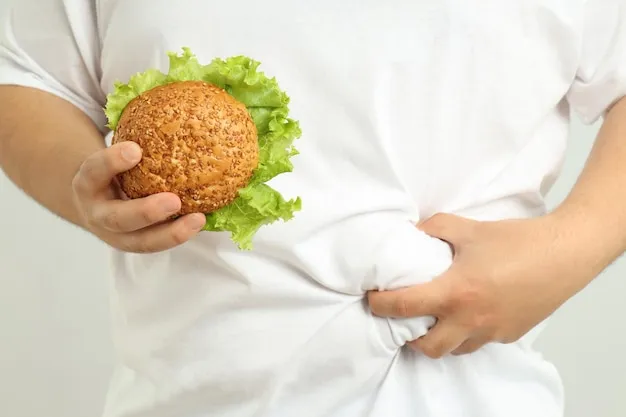
Modern dietary habits, characterized by processed foods, excessive sugar, and unhealthy fats, have led to a surge in health concerns like obesity, diabetes, and heart disease.
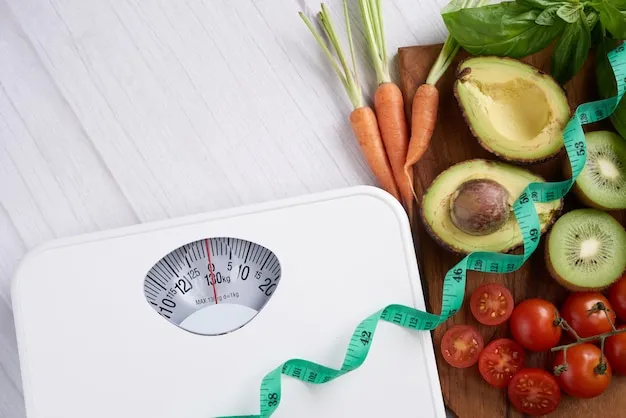
Present-Day calorie consumption focuses primarily on the quantity of food consumed and the number of calories it contains. While this approach can be useful for weight management, it does not take into account the quality of the food, its nutritional value, or its impact on digestion and overall health.
It’s important to note that at Ayuplus we do not prescribe a one-size-fits-all approach to diet and nutrition. Instead, emphasis is given to individualized care and to encourage people to listen to their bodies and make choices that support their unique needs.
Additionally, Ayurveda recognizes that the doshas can change over time and in response to various factors, so it’s important to regularly reassess and adjust one’s diet and lifestyle as needed.
Patients undergo a comprehensive health evaluation. Based according to your unique constitution.
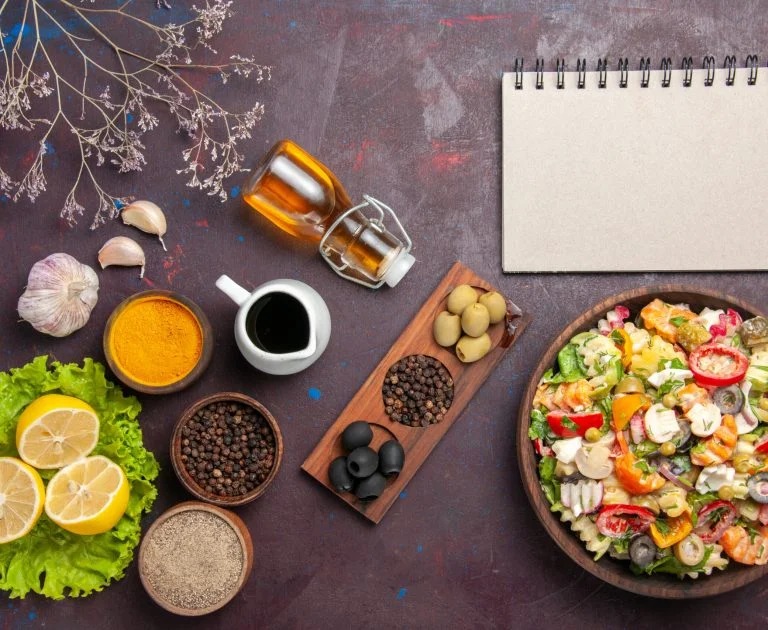
Customized diet plan is created based on assessment. Patient is briefed on the diet chart and its health benefits.
A dedicated mentor guides patients through their dietary journey & diet is modified based on the patient's progress.
A Holistic Approach to Health and Healing
Vata is associated with the elements of air and ether, and it governs movement in the body. People with a dominant Vata dosha tend to have a light, thin frame, and they may experience dryness, coldness, and irregular digestion.
To balance Vata, Ayurveda recommends a diet that is warm, moist, and grounding. This includes cooked foods, warm drinks, and plenty of healthy fats. Foods that are sweet, sour, and salty are also beneficial for balancing Vata.
Pitta is associated with the elements of fire and water, and it governs metabolism and digestion. People with a dominant Pitta dosha tend to have a medium build and a strong appetite. They may experience excess heat, acidity, and inflammation.
To balance Pitta, Ayurveda recommends a diet that is cooling, hydrating, and calming. This includes foods that are sweet, bitter, and astringent, as well as plenty of water and fresh fruits and vegetables.
Kapha is associated with the elements of earth and water, and it governs structure and stability in the body. People with a dominant Kapha dosha tend to have a larger build and a slower metabolism. They may experience excess weight, congestion, and lethargy.
To balance Kapha, Ayurveda recommends a diet that is light, dry, and warming. This includes foods that are spicy, bitter, and astringent, as well as plenty of whole grains, legumes, and vegetables.
In Ayurveda, food is seen as a form of medicine, and the way it is consumed can significantly impact one’s health. Ahara Vidhi is a concept in Ayurveda that refers to the principles and guidelines for proper food consumption and digestion.
An overview of key principles and their relation to diet and nutrition
Restoring the Doshas Natural Equilibrium
Is the process conducted before panchakarma to prepare the body for the purification process.
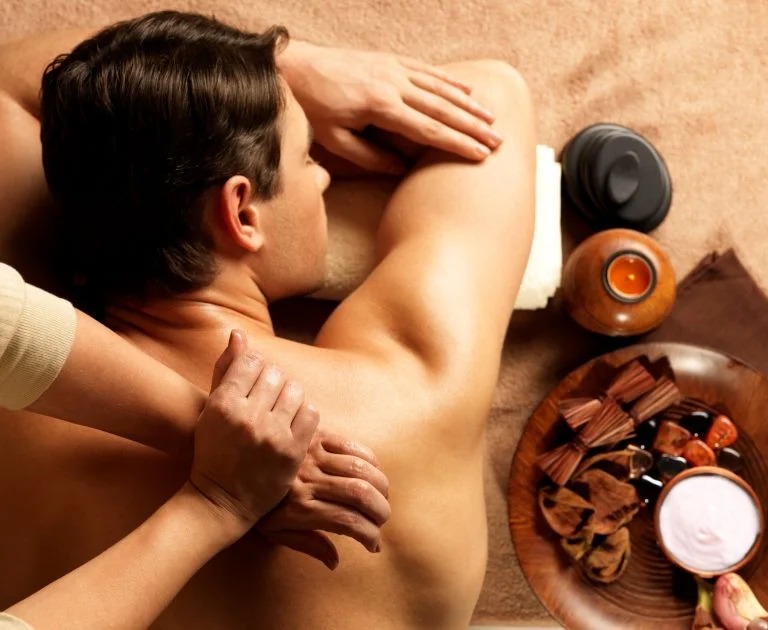
Snehana, or Oleation Therapy, involves the application of medicated oils or ghee to the body, internally or externally, to lubricate tissues, release deep-seated toxins, enhance circulation.
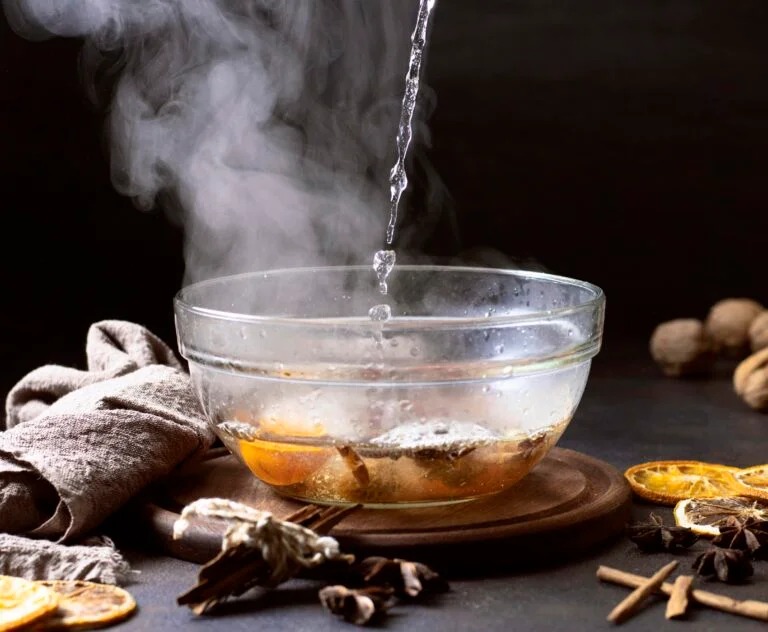
Svedhana, or Sweating Therapy, induces perspiration through methods like steam baths or herbal steam inhalation. This aids in toxin elimination, circulation improvement, and relaxation. Snehana and Svedhana are often combined to boost the effectiveness of panchakarma.
It is a set of healing therapies that aims to cleanse the body of toxins, free radicals and heavy metals. It consists of five primary purification therapies: Emesis therapy, purgation therapy, enema therapy, nasal therapy, and bloodletting therapy).
These therapies are tailored to the individual’s constitution and imbalances and are performed in a specific sequence to remove deep-seated toxins, balance the doshas (bioenergies), and restore optimal health. Panchakarma is often preceded by preliminary therapies (Snehana and Svedhana) and followed by post-panchakarma treatments to maintain its benefits.
This is crucial for maintaining the benefits of panchakarma and preventing the recurrence of disease. It involves a gradual return to normal daily activities and the introduction of specific dietary and lifestyle practices to support the body’s rejuvenation process.
This phase includes dietary suggestions, herbal supplements, and regular follow-up consultations with an Ayurvedic practitioner to monitor progress and make any necessary adjustments to the treatment plan. Paschat karma aims to promote long-term health and well-being by ensuring the body’s continued balance and vitality.

”Cursus metus aliquam eleifend mi in. Consectetur adipiscing elit pellentesque habitant morbi tristique senectus. Id aliquet lectus proin nibh.”

”Semper eget duis at tellus at urna condimentum. Nunc sed blandit libero volutpat sed cras ornare. Consectetur a erat nam at lectus.”

”Ut porttitor leo a diam sollicitudin tempor id eu. Id velit ut tortor pretium viverra suspendisse potenti. Potenti nullam ac tortor vitae purus faucibus.”

”What an experience! From the moment I entered Retreat You I felt in peace. Daily yoga, excercises and great diet really helped me to disconnect.”
Walk in or Video Consult
Get detailed assessment and diagnosis
Systematic plan outlining the prescribed procedures
AyuPlus integrates Ayurveda, Yoga, and personalized wellness plans to restore balance, boost vitality, and support your holistic health journey naturally.
Successful Treatments
Certified Doctors